Thinking about trading a Rochester-area routine for a lake-town pace without giving up day-to-day convenience? Canandaigua often catches buyers’ attention for its Finger Lakes setting, but everyday life here is more practical than many people expect. If you are wondering what it really feels like to live, commute, run errands, and spend your free time in Canandaigua, this guide will help you picture the rhythm of daily life. Let’s dive in.
Canandaigua offers more than a weekend vibe
Canandaigua sits on the north shore of Canandaigua Lake, about 29 miles southeast of Rochester. While it is known for the lake, the city is also a compact, full-service community and an economic center for the Finger Lakes. That matters if you want a place that feels scenic but still supports real everyday routines.
The city covers just 4.56 square miles and had an estimated 10,476 residents in 2024. Because of that smaller footprint, many parts of daily life feel close at hand. You get a small-city scale with a strong sense of place, rather than a spread-out suburban pattern.
Daily pace feels manageable
For many Rochester-area buyers, one of the biggest questions is whether Canandaigua feels too far out. The data suggests a pace that is manageable, especially if you are comfortable driving regularly. Mean travel time to work is 19.6 minutes for city residents, compared with 24.6 minutes in the surrounding Town of Canandaigua.
That does not mean every trip is walkable or car-free. In practice, Canandaigua still leans car-oriented for many errands and commutes. But it can offer a more compact daily routine than buyers sometimes expect.
Commuting to Rochester is possible
If your work, family, or social life still ties you to Rochester, Canandaigua can remain in the conversation. The city’s location makes regional travel realistic, especially for people who do not mind time in the car. For some buyers, that trade-off is worth it for lake access, downtown convenience, and a distinct Finger Lakes setting.
Transit is also available, though it works better as a secondary option than a full replacement for driving. RTS Ontario serves local stops through Route 250 and Route 252, including destinations like Thompson Hospital, Wegmans, Walmart, the Ontario County Complex, the VA Medical Center, and the Wood Library area. A Canandaigua-to-Rochester fare is listed at $12.50 for the 2025 to 2026 period.
Lake life is real, but it has limits
One of the biggest misconceptions buyers can have is assuming a lake town means open shoreline everywhere. In Canandaigua, the lake is central to local life, but public access is more limited than people often realize. Canandaigua Lake has 36 miles of shoreline, and less than 3 miles are publicly owned.
That said, the public access that does exist is meaningful. The City Pier, Kershaw Park, and Lakefront Park together account for nearly one mile of public lake access. So while you may not have endless public shoreline, you do have real places to enjoy the waterfront as part of regular life.
What everyday lake access looks like
Kershaw Park and Lakefront Park include walkways, benches, picnic areas, a beach area, a swim beach, a boathouse, a fishing pier or outlook, parking, and a public dock with a pump-out station. The beach and boathouse typically operate from Memorial Day through Labor Day. Fishing is allowed in designated areas at Kershaw Park, Lakefront Park, the City Pier, and Lagoon Park.
For boaters and anglers, Canandaigua Lake State Marine Park adds another practical layer. The site on South Main Street includes boat launches and fishing, with the boat launch open year-round. The public access site also includes hard-surface ramps and parking for 110 cars and trailers.
Recreation goes beyond summer
If you are picturing Canandaigua as a place that shines only in warm weather, the city’s recreation setup tells a broader story. Parks and Recreation promotes activities and events in all seasons, which helps support a more year-round lifestyle. That makes a difference if you want a town that stays active after summer ends.
Ontario Pathways is one of the best examples. The city identifies it as a 23-mile rails-to-trails project open free to the public for hiking, bicycling, horseback riding, and cross-country skiing. It gives residents an easy outdoor option that works across seasons and does not depend on owning a boat or spending a full day at the lake.
Community events help shape the rhythm
Canandaigua also has a regular community event calendar that adds to its everyday feel. Recurring events listed by the city include the Fourth of July celebration, New Year’s Eve Finishing Touch, the Downtown Arts Festival, the Waterfront Art Festival, auto shows, and local walks and runs. These events help create a sense of seasonal rhythm without making the city feel like it exists only for visitors.
Downtown is part of daily life
For Rochester-area buyers used to suburban plazas and larger retail corridors, Canandaigua offers a different blend. Downtown is not just a scenic main street. The city’s planning documents describe it as a place for specialty retail, convenience services, restaurants, and civic activity.
That distinction matters when you think about everyday convenience. You are not relying on a tourist district that shuts down outside peak times. Instead, the downtown core functions as a practical hub for errands, dining, and community activity, with substantial off-street parking behind Main Street buildings.
Errands still feel practical
Canandaigua supports the basics of daily life with a mix of downtown services and familiar shopping stops along local routes. RTS Ontario service maps also reflect this everyday functionality, with stops serving places like Parkway Plaza, Wegmans, Roseland Plaza, Walmart, Jefferson Square, Tops, and medical facilities. That gives the city a lived-in feel that goes beyond its lakefront image.
Housing has a more established feel
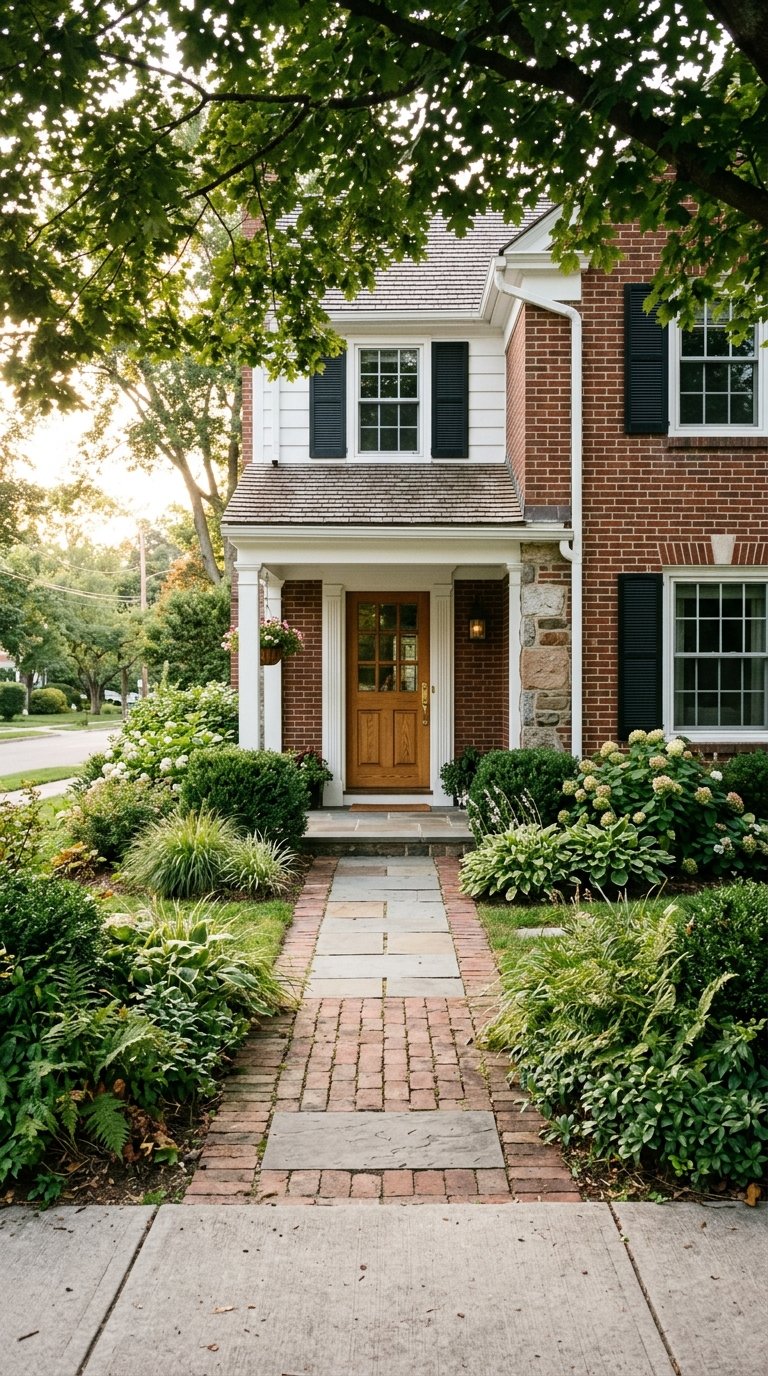
If you are moving from the Rochester suburbs, the housing stock in Canandaigua may feel different from newer subdivision-heavy areas. The city has a mixed housing supply, and much of it is older. About 38.4 percent of housing units were built before 1939.
That older housing base shapes the character of many blocks. It can mean mature streetscapes, more varied architecture, and homes with a stronger sense of history. It can also mean that buyers should look carefully at condition, updates, and layout rather than expecting the same housing style across the board.
The three main housing patterns
In practical terms, buyers will often see three broad types of housing in the city:
- Older in-city homes, especially around North Main Street and side streets like Howell, Gibson, and Gorham
- Mid-century subdivisions dating largely to the late 1960s and early 1970s
- Newer attached homes and apartments built in more recent years
Between 2015 and 2024, the city added 258 new dwelling units, with most of that growth in attached dwellings or apartments. Examples in the city plan include Pinnacle North’s 135 apartments and Legion Heights’ 44 townhouse units.
Brand-new single-family options are limited
This is an important expectation to set if you are comparing Canandaigua with newer Rochester-area suburbs. The city’s residential districts are largely built out, leaving few opportunities for new single-family development within city limits outside of infill, replacement properties, or sites with constraints. If your goal is a brand-new single-family home in a large subdivision, you may find fewer options in the city itself.
The community feels mixed-age and well-established
Canandaigua does not read as only a family suburb or only a retirement destination. Census data shows 23.2 percent of residents are 65 or older, while 15.9 percent are under 18. The result is a mixed-age community with a somewhat older tilt.
That age mix can contribute to a steadier, more established atmosphere. Combined with tree-lined streets and a historic built environment, it gives many parts of the city a rooted feel. The city has historic preservation districts covering more than 300 properties and has held Tree City USA status since 1992.
What Rochester-area buyers should weigh
For many buyers, Canandaigua works best when you want a lifestyle that blends scenery and function. You can enjoy public waterfront access, year-round recreation, local events, practical shopping, and a compact downtown. At the same time, you should go in with a clear picture of what daily life actually involves.
A few things to weigh carefully include:
- Commute habits: Driving will likely stay part of your routine
- Housing expectations: Much of the stock is older, and new single-family supply is limited
- Lake access reality: The lake is central, but public shoreline is limited
- Lifestyle fit: The city offers a compact, established, amenity-rich setting rather than a newer suburb feel
For the right buyer, that balance is exactly the appeal. Canandaigua can feel less like a faraway getaway and more like a small city where everyday life happens with a Finger Lakes backdrop.
If you are weighing Canandaigua against Rochester-area suburbs, having a clear, local perspective can make the decision much easier. Laura Freimuth offers responsive, low-stress guidance to help you compare communities, understand your options, and move forward with confidence.
FAQs
What is everyday life in Canandaigua like for Rochester-area buyers?
- Everyday life in Canandaigua blends a compact small-city layout, practical errands, lakefront recreation, and a more established housing stock than many Rochester suburbs.
Is Canandaigua a realistic commute to Rochester?
- It can be realistic if you are comfortable driving regularly, and bus service is available for some trips, though the area still functions mostly as a car-oriented community.
How much public lake access does Canandaigua have?
- Canandaigua Lake has 36 miles of shoreline, but less than 3 miles are publicly owned, with key public access points including the City Pier, Kershaw Park, and Lakefront Park.
What kinds of homes can buyers expect in Canandaigua?
- Buyers will typically find older in-city homes, mid-century subdivisions, and some newer attached housing or apartments, with limited new single-family development inside the city.
Does Canandaigua have things to do beyond summer?
- Yes, the city supports year-round recreation and events, including trail access through Ontario Pathways and recurring community events across multiple seasons.
Is downtown Canandaigua useful for daily errands?
- Yes, downtown functions as an everyday service center with retail, restaurants, convenience services, civic activity, and off-street parking behind Main Street buildings.