If you are thinking about living in Victor, NY, you are probably asking a practical question first: what does everyday life actually feel like there? That matters whether you are relocating, buying your first home, or moving within the Rochester suburbs. Victor offers a mix of suburban housing, strong road access, shopping convenience, and standout parks and trails. Here’s what you can expect from daily life, commuting, and amenities in Victor.
Victor at a Glance
Victor is located in northwest Ontario County along the Monroe County border, placing it in a convenient spot for people who want access to Rochester while staying in a suburban setting. According to the Town of Victor, the community covers 36 square miles in the Finger Lakes foothills and has direct access to Routes 96 and 490, plus I-90 exits 44 and 45.
The town’s estimated population was 16,159 in 2024. The same town overview reports a mean commute time of 22.8 minutes, along with a median household income of $115,538 and a poverty rate of 2.8%. In plain terms, Victor tends to feel like a comfortable, road-connected suburb rather than a dense urban center.
Everyday Life in Victor
Daily life in Victor is shaped by convenience. You can handle many routine errands close to home, and the town combines regional retail with a smaller village core that gives the area a more local feel.
The experience is not especially urban or transit-centered. Instead, Victor works well for people who want space, car access, and a broad mix of amenities nearby. For many households, that means an easier rhythm for work, errands, recreation, and weekend plans.
A suburban setting with room to spread out
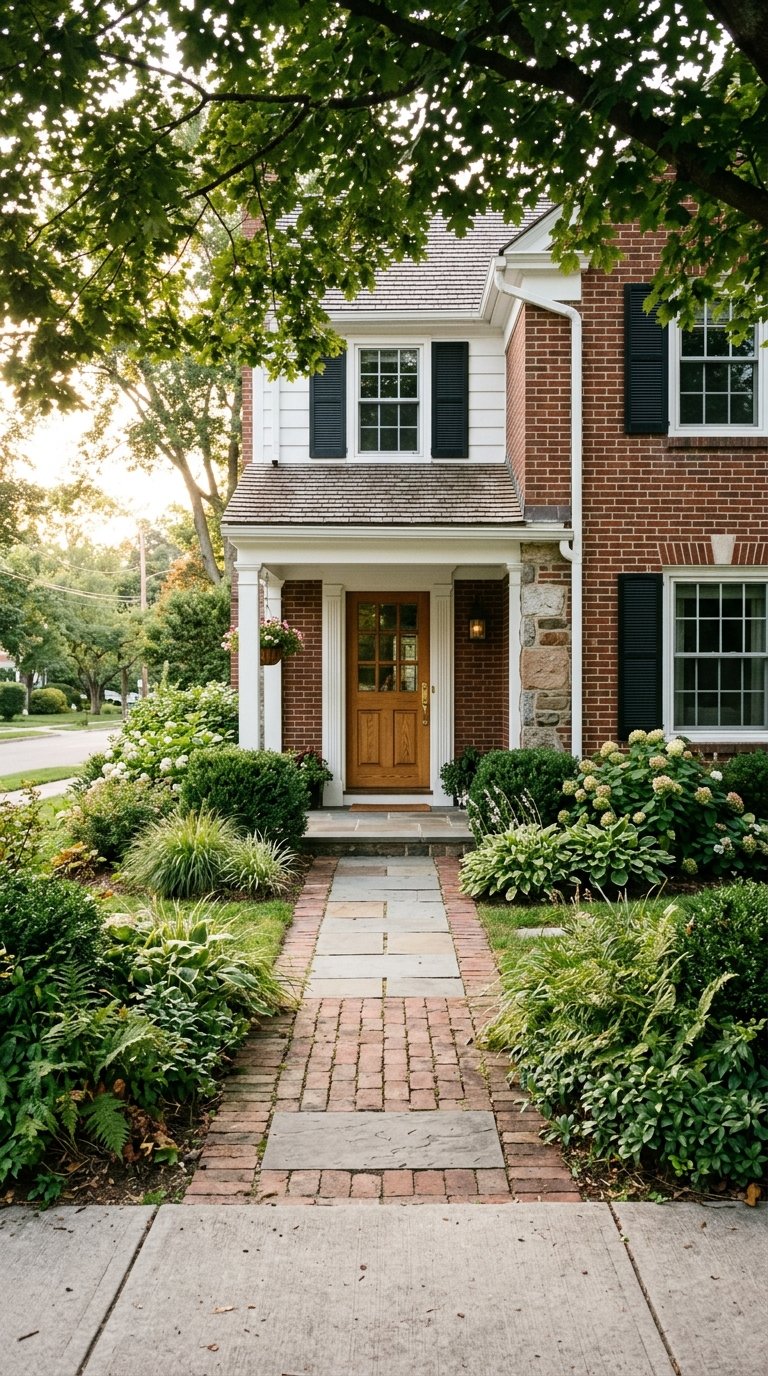
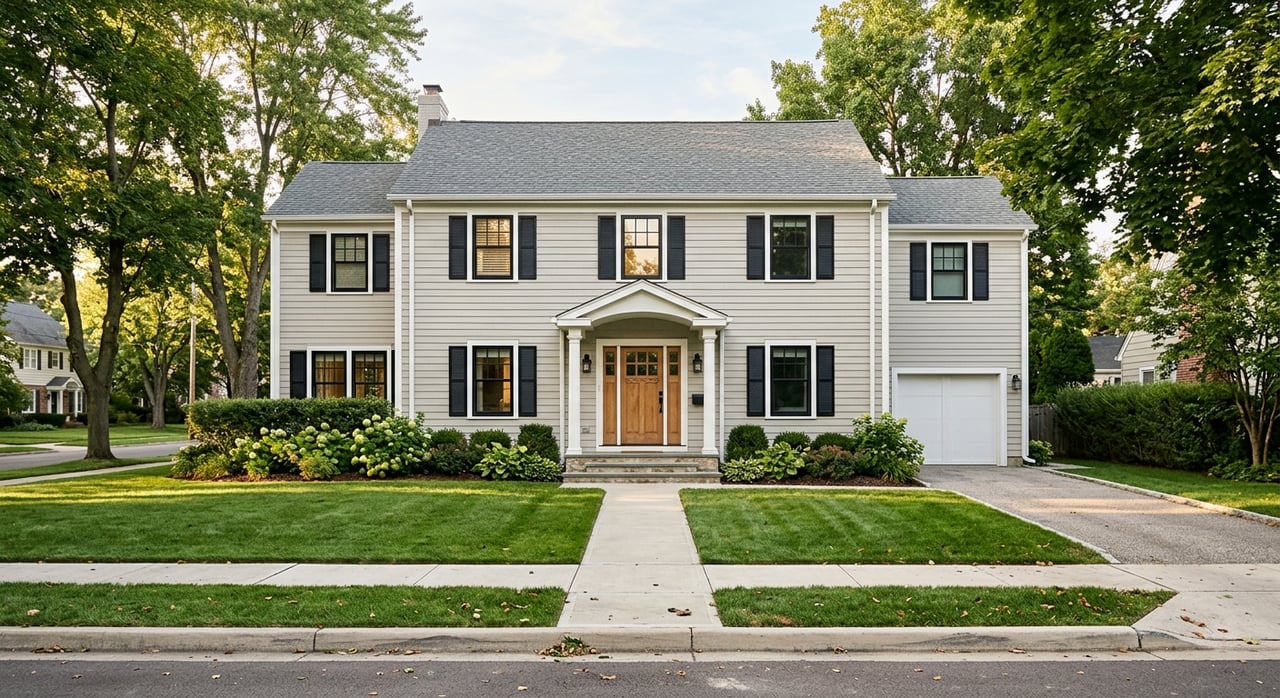
Victor’s housing pattern is still strongly suburban. Census QuickFacts shows a 79.2% owner-occupied housing rate, which points to a market where ownership plays a major role in the local housing mix.
Homebuyers will mostly find low-density residential neighborhoods first. The town’s demographics and assessment information lists 4,963 living units in one-, two-, and three-family homes, along with 880 apartments and 547 manufactured-housing units. So yes, Victor is mostly single-family in character, but there are other housing types in the mix as well.
What housing costs look like
For buyers, Census data puts the median owner-occupied home value at $359,000. The same source reports median monthly owner costs of $2,300 with a mortgage and a median gross rent of $1,418.
Those numbers can help you set expectations if you are comparing Victor with other Rochester-area suburbs. If you are planning a move, it is helpful to think not just about price, but also about how much convenience, lot size, and access to amenities matter to you.
Commuting from Victor to Rochester
For many buyers, Victor’s location is a big part of the appeal. If you work in or near Rochester, the drive is usually straightforward because the town has direct highway access.
According to the Town of Victor, local road connections include Routes 96 and 490 as well as I-90. That road network supports the town’s reported 22.8-minute mean commute time, which suggests that commuting is manageable for many households.
The main tradeoff: Route 96 traffic
There is one important reality to know before you move. Victor’s Route 96 corridor is not just a travel route. It is also a major commercial destination.
That means congestion can become a factor during busy times. The basic takeaway is simple: the commute often works well, but peak-hour traffic on Route 96 can affect how long your drive feels on certain days.
Is public transit available?
Public transit does exist through RTS Ontario, but it functions more like a regional option than a full urban transit network. The research report notes that bus schedules focus on major intersections or stops, times are approximate, and riders may need to call to confirm unlisted stops.
RTS Ontario also offers a Victor-to-Rochester fare category, with standard route service and some premium route-deviation or Dial-A-Ride options. For most residents, though, Victor still reads as a car-first community.
Shopping, Dining, and Errands
One of Victor’s biggest everyday strengths is how easy it is to take care of routine needs nearby. Shopping, dining, and service options are a major part of the local lifestyle.
The area’s best-known retail anchor is Eastview Mall, located on Pittsford-Victor Road along Route 96. The town’s resource directory describes it as a destination with 160 shops and services plus a food court, giving residents access to a wide range of stores in one place.
Eastview Mall and the Route 96 corridor
Eastview Mall plays a major role in Victor’s day-to-day convenience. Whether you need shopping, dining, or a quick stop while running errands, the Route 96 commercial corridor covers a lot of ground.
That convenience is part of what makes Victor attractive to many buyers. It also ties back to the traffic conversation, since the same commercial draw that makes errands easier can add congestion during busier hours.
Downtown Victor adds a local feel
Victor is not only about big retail. The local experience also includes a smaller village center with restaurants, shops, green space, and community activity.
The research report notes that local planning documents describe downtown Victor as a place for dining, unique shops, cultural venues, and living space. That mix helps balance the larger commercial corridor with a more local, small-center atmosphere.
Farmers' market and routine stops
Victor also offers a seasonal farmers’ market. Current application materials cited in the research report show Wednesday market hours from June through October at the Village Hall parking lot.
For many residents, that means you can blend big errands with more local weekly routines. It is one more example of how Victor supports practical day-to-day living.
Parks, Trails, and Recreation
If outdoor access matters to you, Victor stands out. The town manages more than 450 acres of parkland and more than 70 miles of multi-use trails, according to the Victor parks system.
That is a strong amenity base for a suburb. It gives residents options for walking, biking, play, relaxation, and community events without needing to leave town.
Victor Municipal Park
Victor Municipal Park supports a wide range of everyday recreation. The town highlights amenities including a lodge, playground, fishing pond with an accessible dock, trails, volleyball, a picnic shelter, and summer concerts.
This kind of park access can shape your weekly routine in a meaningful way. It gives you an easy place to get outside, meet up with friends, or spend time with family close to home.
Dryer Road Park
Dryer Road Park is another standout local amenity. The town describes it as a 132-acre mountain biking and trail destination with a pump track, 15 miles of trails, and a connection to Ganondagan.
For buyers who prioritize active recreation, that is a real plus. It adds depth to Victor’s outdoor appeal beyond the usual neighborhood park setup.
Ganondagan and community culture
Victor is also home to Ganondagan State Historic Site. The research report notes that the site spans 569 acres and includes hiking trails, a visitor center, picnic areas, and cultural programming.
That gives residents access to both outdoor space and educational or cultural experiences nearby. It is a meaningful part of the town’s amenity mix.
Libraries, Golf, and Daily Support
Good suburbs are not just about houses and roads. They also need the everyday places that make life easier and more connected.
Victor checks that box in a few important ways. The Victor Farmington Library is open seven days a week and offers programs such as story times, chair yoga, and basic computer skills, according to the research report. The town directory also lists Cobblestone Creek Country Club as part of the local golf scene.
These kinds of amenities may not be the first thing you search for when you start your home hunt. But once you live somewhere, they often become part of what makes the area feel supportive and easy to enjoy.
What Kind of Buyer Likes Victor?
Victor often appeals to buyers who want suburban space, a manageable Rochester commute, and strong convenience. It can be a fit if you want access to highways, shopping, and recreation without living in a denser environment.
It may be especially appealing if your daily routine involves driving to work, managing a busy schedule, or wanting parks and trails nearby. The main thing to keep in mind is that Victor’s convenience is closely tied to car travel, and Route 96 traffic is part of the tradeoff.
Final Thoughts on Living in Victor
Victor offers a practical blend of suburban housing, road access, shopping, and outdoor amenities. You can handle many errands locally, reach Rochester fairly easily, and enjoy a parks-and-trails system that is stronger than many buyers expect.
If you are weighing a move to Victor, it helps to look beyond price alone and think about how you want your day-to-day life to work. If you want steady guidance as you compare neighborhoods, commute patterns, and home options in Rochester’s suburbs, Laura Freimuth is here to help.
FAQs
Is Victor, NY mostly single-family housing?
- Yes. The town’s assessment data shows most living units are in one-, two-, and three-family homes, with apartments and manufactured housing also part of the local mix.
Is the commute from Victor to Rochester manageable?
- For many residents, yes. Victor has direct access to Routes 96 and 490 and I-90, and the town reports a 22.8-minute mean commute time, though Route 96 traffic can affect busy-hour travel.
Can you run most errands locally in Victor, NY?
- Largely yes. Eastview Mall, downtown businesses, the library, parks, and the seasonal farmers’ market cover many everyday needs.
What are the main lifestyle advantages of living in Victor, NY?
- Victor offers suburban housing, strong road access, major shopping options, and more than 450 acres of parkland with over 70 miles of multi-use trails.
Does Victor, NY have public transportation options?
- Yes, RTS Ontario provides regional bus service, but Victor is still best understood as a car-first suburb rather than a transit-centered community.